TESLA POWERWALL · CERTIFIED INSTALLER
Tesla Powerwall Installation in the Tri-Cities
HOW IT WORKS
What Powerwall Does
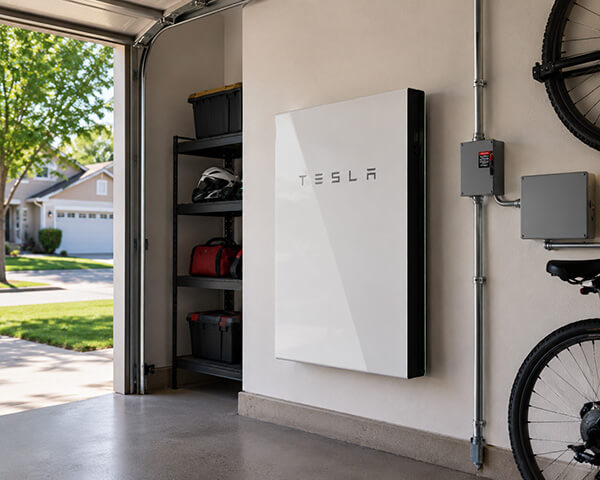
Tesla Powerwall is Tesla’s home battery storage system. It pairs with solar or can operate on its own as a reliable backup-power solution. RMS is one of the few Tesla-certified installers in the Tri-Cities, meaning Tesla has trained our team, audited our work, and stands behind our installations.
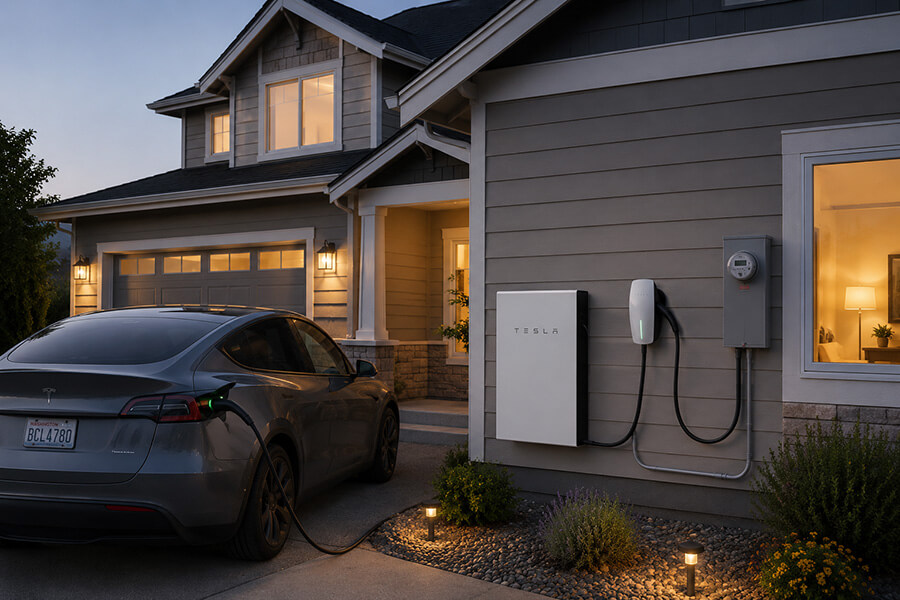
Powerwall stores electricity in a wall-mounted lithium battery and automatically powers your home when the grid goes down, solar production drops, or you want to reduce reliance on peak-rate utility power. For most Tri-Cities homeowners, backup power is the primary reason for installing a Powerwall. While our local grid is generally reliable, outages still happen—and when they do, Powerwall keeps essential systems running, including lights, refrigeration, well pumps, home offices, medical equipment, and even EV charging when the system is sized appropriately.
WITHOUT SOLAR
Powerwall as Stand-Alone Backup
You do not need solar to use Powerwall. The battery charges from the grid when power is available and discharges to your home during an outage. It’s a quieter, cleaner alternative to a fuel-burning generator — no fuel deliveries, no maintenance starts, no noise, no exhaust.
For homeowners who want reliable backup without committing to a solar project, stand-alone Powerwall is the simpler path.
WITH SOLAR
Powerwall Paired with Solar
If you already have solar — or you’re planning to add it — Powerwall stores the energy your panels produce during the day so you can use it at night or during an outage. It also lets you keep using solar during a grid outage, which a typical grid-tied solar system can’t do on its own.
HOW MANY POWERWALLS
How Many Powerwalls Do You Need?
Most Tri-Cities homes need two or three Powerwalls to comfortably back up a full home. One unit can cover essentials (lights, refrigeration, well pump, internet, a few outlets) for a moderate-duration outage. Two units back up a wider load set and stretch the outage duration. Three units start to look like normal living during a multi-day outage.
The right number depends on which loads you want to keep running and for how long. We size the system around your actual circuits, not a generic table.
WHAT'S INVOLVED
What a Powerwall Install Looks Like
Site Assessment
Site walk to look at your panel, available wall space, service size, and the loads you want to back up. We map essential vs. non-essential circuits and confirm what your existing panel can accommodate.
Panel and Backup Circuits
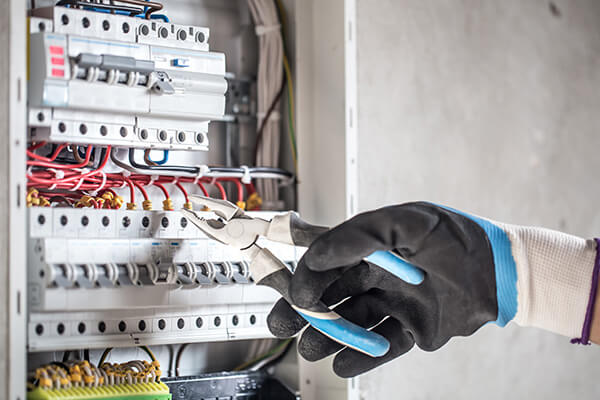
Powerwall separates backup circuits from non-essential loads. That often means panel adjustments or a sub-panel install during the same project. We do the panel work and the battery install together.
Permits and Inspections
Electrical permit through the local jurisdiction, utility interconnection paperwork where applicable, and a final inspection before commissioning. We handle the paperwork and coordinate the inspection.
Commissioning
Powerwall comes online with a Tesla-side commissioning step that links the system to the Tesla app, configures your backup preferences, and confirms the system is operating correctly. We handle that step too.
WHY A CERTIFIED INSTALLER MATTERS
Why a Tesla-Certified Installer Matters
Tesla certifies a small number of independent electricians to install Powerwall. Certification means three things. Tesla has trained us on Powerwall specifically, not just batteries in general. Tesla has audited our installations and stands behind our work. And when your system needs support — whether that’s a warranty claim, a firmware question, or a future expansion — you have a local installer connected to Tesla’s support channels.
For a system that costs what a Powerwall costs and runs as long as it runs, the certified pathway is the one that protects your investment.
WHAT IT COSTS, ROUGHLY
Cost and Timeline
Powerwall pricing depends on the number of units, the panel work involved, whether solar is part of the same project, and the permit and utility timeline in your jurisdiction. A typical two-Powerwall whole-home backup install lands in a predictable range; one-unit essentials-only installs are less; three-unit installs with solar coordination are more.
Lead time from estimate to install runs a few weeks for the equipment and permits to come together. The on-site install itself is typically one to two days.
REQUEST A POWERWALL CONSULTATION
Tell Us About Your Backup Power Plan
Whether you have a specific outage you’re solving for or you’re starting from “what would it take,” the first step is a short conversation. We’ll walk through your panel, the loads you want backed up, and what one, two, or three Powerwalls would actually do for your home.
Call or Text
(509) 205-8071